 World of Warcraft Guides, Lore, Addons & News – NoobToBoss From Azeroth's Newbie to Champion – World of Warcraft Guides
Protection Warriors represent the gold standard for raid tanking in WoW Classic, providing unmatched threat generation, defensive capabilities, and encounter versatility. This specialization combines technical mastery with game knowledge to protect your raid while enabling DPS classes to maximize their damage output safely.
Successful raid tanking requires more than simply wearing a shield and standing in front of bosses. You must master threat rotation optimization, defensive cooldown timing, positioning awareness, and encounter-specific mechanics while maintaining constant communication with your raid team.
This comprehensive WoW Classic Protection Warrior PvE Guide focuses specifically on raid tanking optimization, covering everything from pre-raid preparation through advanced techniques for Blackwing Lair progression. You’ll learn how to maximize threat generation, manage defensive resources, and lead your raid to victory.
For general Protection Warrior information, visit our complete Protection Warrior guide. Players interested in PvP should check our Protection Warrior PvP guide.
Core Tanking Fundamentals
Understanding fundamental tanking principles ensures you meet raid expectations and contribute effectively to progression attempts.
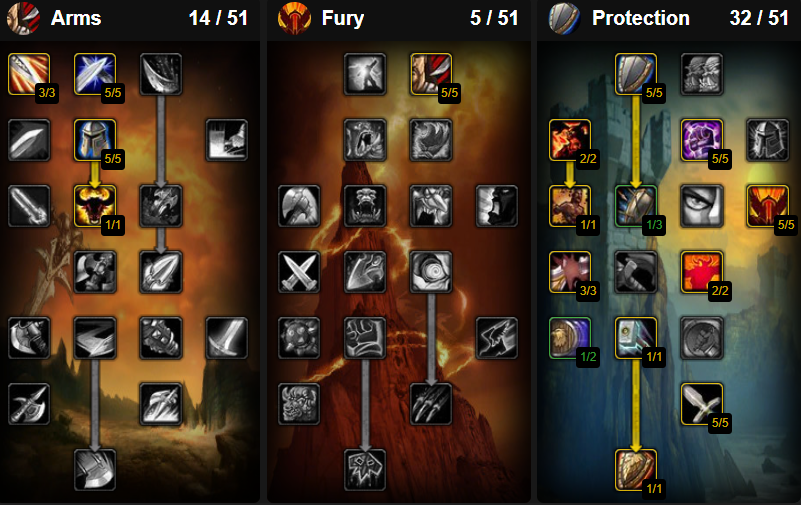
The Tank’s Primary Responsibilities
Your primary job involves maintaining aggro on all dangerous enemies while surviving their attacks. This dual responsibility requires balancing threat generation with defensive awareness.
Generate sufficient threat to prevent DPS from pulling aggro while using defensive abilities to mitigate incoming damage. Finding this balance separates competent tanks from exceptional raid leaders.
Position bosses correctly to minimize raid damage from cleave attacks, breath weapons, and other mechanics. Proper positioning enables your raid to maximize damage output while minimizing unnecessary healing requirements.
Threat Generation Mechanics
Threat determines which player enemies attack. Understanding threat mechanics enables you to maintain aggro safely while allowing DPS to push damage limits.
In Defensive Stance, you generate 130% additional threat from all sources compared to other players. This multiplier combined with high-threat abilities creates substantial aggro advantages.
Defiance talent increases threat generation by an additional 15%, multiplicatively stacking with Defensive Stance. Together these effects mean your abilities generate roughly 145% more threat than DPS abilities.
Each point of damage you deal generates 1 threat. Abilities like Shield Slam and Revenge generate threat multipliers beyond their base damage, making them essential for threat rotations.
Understanding the Threat Cap
DPS players pull aggro at 110% of your threat when attacking from melee range, or 130% when attacking from range. This threshold creates safety margins allowing DPS to operate without pulling.
Melee DPS must stay below 110% of your threat to avoid pulling aggro. Most threat meter addons show this threshold, helping DPS players manage their threat levels appropriately.
Ranged DPS have additional leeway, not pulling until 130% of your threat. This advantage means ranged attackers can push damage harder than melee without risking aggro pulls.
Optimal PvE Tanking Rotation
The Protection Warrior rotation follows a priority system focused on maximizing threat per global cooldown while maintaining defensive ability uptime.
Single-Target Threat Priority
Execute abilities in this priority order when tanking single targets like raid bosses:
Threat Priority List:
- Shield Slam – Use on cooldown (6-second cooldown)
- Revenge – Use when available after blocking/dodging/parrying
- Sunder Armor – Apply and maintain 5 stacks
- Shield Block – Use on cooldown for block uptime
- Heroic Strike – Queue when above 50 rage
Shield Slam generates approximately 1.5x threat multiplier beyond its base damage, making it your highest threat-per-GCD ability. Never delay Shield Slam for other abilities.
Revenge becomes available after successfully blocking, dodging, or parrying attacks. The ability deals solid damage while generating excellent threat for its 5 rage cost.
Sunder Armor reduces enemy armor by 450 per stack, stacking up to 5 times. Maintain full stacks throughout encounters for both your threat generation and raid-wide physical damage amplification.
Shield Block increases block chance by 75% for your next two attacks, refreshing every 5 seconds. Maintaining Shield Block uptime ensures consistent Revenge procs while reducing damage taken.
Heroic Strike queues your next auto-attack as a special attack dealing additional damage and threat. Use this as a rage dump when above 50 rage to prevent resource capping.
Rotation Optimization
Opening rotations establish initial threat leads before DPS begins attacking. Proper openers prevent early aggro pulls during burst windows.
Optimal Opener:
- Use Bloodrage 2 seconds before pull
- Charge for stun, rage, and initial threat
- Shield Slam immediately after Charge
- Apply Sunder Armor
- Use Revenge when it procs
- Continue standard rotation
Bloodrage generates 10 instant rage plus 10 over 10 seconds, providing resources for immediate ability usage. The health cost is negligible with healers present.
Charge generates significant initial threat while providing a rage boost. The 1-second stun also gives you time to establish positioning before bosses attack.
Rage Management Strategies
Effective rage management maximizes your threat generation potential throughout encounters. Understanding rage generation sources optimizes your resource economy.
Rage Generation Sources:
- Taking damage generates approximately 5 rage per 1% of health lost
- Auto-attack damage generates rage based on weapon damage dealt
- Bloodrage converts health into 10 instant + 10 over time rage
- Shield Specialization grants 1 rage per block (with talent)
Pool rage before dangerous phases or add spawns. Entering critical moments with sufficient resources enables immediate threat establishment on new enemies.
Avoid rage capping at 100 by using appropriate rage dumps. Wasted rage generation from hitting cap reduces your total ability usage over time.
For deeper understanding of rage mechanics, visit our dedicated Warrior Rage guide.
Multi-Target Threat Management
When tanking multiple enemies simultaneously, adjust your rotation to generate AoE threat:
AoE Threat Priority:
- Charge into enemy group
- Thunder Clap for initial AoE threat and attack speed slow
- Demoralizing Shout for threat on all enemies
- Revenge (hits up to 3 targets)
- Cleave as rage dump for 2-target damage
- Tab-target Sunder Armor on all enemies
Thunder Clap provides solid threat on all nearby enemies while reducing their attack speed by 10%. The attack speed reduction significantly decreases incoming damage.
Tab-targeting between enemies to apply Sunder Armor ensures all mobs maintain threat toward you. Even single Sunder applications help prevent DPS from pulling individual targets.
Revenge hits up to 3 targets when multiple enemies are present. Prioritize Revenge over single-target abilities during multi-mob situations.
Advanced Threat Techniques
Mastering advanced threat generation techniques separates good tanks from exceptional ones.
Threat Snapshotting
Some abilities calculate threat using your attack power at cast time rather than when damage applies. This mechanic enables threat optimization through timing.
Cast high-threat abilities during temporary attack power buffs like Crusader procs or Battle Shout refreshes. The snapshotted values generate more threat than base calculations.
Revenge snapshots your current attack power when cast. Using Revenge during attack power buffs generates significantly more threat than base usage.
Weapon Swing Timer Management
Understanding your swing timer prevents ability usage from resetting auto-attacks, maximizing total damage and threat output.
Heroic Strike queues as your next auto-attack rather than consuming a global cooldown. This mechanic allows Heroic Strike usage without interrupting your rotation flow.
Use Heroic Strike immediately after your auto-attack completes to maximize uptime. Queuing Heroic Strike too early can delay your next swing.
Stance Dancing for Threat
Advanced tanks occasionally swap to other stances for specific abilities before returning to Defensive Stance. This technique requires Tactical Mastery talent for rage retention.
Battle Stance Applications:
Overpower becomes available when enemies dodge your attacks. Quickly swap to Battle Stance, use Overpower for high threat, then return to Defensive Stance.
Charge from Battle Stance generates initial threat at pull. Some tanks start fights in Battle Stance specifically for Charge usage.
Berserker Stance Applications:
Pummel interrupts enemy spellcasting without consuming defensive stance positioning. Swap to Berserker Stance, Pummel, then return immediately.
For detailed stance mechanics and usage, check our Warrior Stances guide.
Defensive Cooldown Management
Protection Warriors possess multiple powerful defensive cooldowns requiring strategic timing for maximum effectiveness.
Shield Wall Usage
Shield Wall reduces all damage taken by 75% for 10 seconds with a 30-minute cooldown (25 minutes with talents). This represents your most powerful defensive tool.
Optimal Shield Wall Timing:
- Predictable high-damage boss abilities (Vaelastrasz Burning Adrenaline)
- Multiple adds focusing you simultaneously
- When healers are incapacitated or dead
- Emergency situations preventing certain death
Never waste Shield Wall on routine damage intake. The extremely long cooldown means using it incorrectly leaves you vulnerable during actual emergencies.
Coordinate Shield Wall usage with your raid leader for optimal timing. Some encounters have specific moments where Shield Wall usage becomes mandatory.
Last Stand Optimization
Last Stand increases maximum health by 30% while healing you for that amount, lasting 20 seconds with a 10-minute cooldown. This ability provides both immediate healing and increased effective health pool.
Last Stand Applications:
- Predictable burst damage phases
- When your health drops dangerously low
- Before taking multiple large hits in succession
- To buy time for healers during mechanic overlap
The additional maximum health stacks multiplicatively with other defensive effects. Using Last Stand during Shield Wall creates periods of near-invulnerability.
Time Last Stand approximately 5 seconds before predictable damage when possible. This timing ensures the health increase absorbs the incoming damage rather than simply healing you afterward.
Shield Block Maintenance
Shield Block increases block chance by 75% for your next two attacks, with charges refreshing every 5 seconds. This ability should have near-permanent uptime.
Maintaining Shield Block uptime ensures consistent damage reduction through blocking while enabling Revenge procs. The frequent availability makes it your most-used defensive tool.
Against enemies with slow, hard-hitting attacks, time Shield Block for their big abilities rather than using on cooldown. This optimization maximizes defensive value.
Improved Shield Block talent adds a third block charge, extending coverage and improving Revenge proc consistency. This talent proves essential for optimal tanking.
Additional Defensive Tools
Disarm: Removes enemy weapons for 10 seconds, dramatically reducing melee damage output. Use against dangerous melee adds or when tanking weapon-using bosses.
Shield Bash: Interrupts enemy spellcasting while preventing that spell school for 6 seconds. Essential for stopping dangerous boss abilities or high-damage casts.
Challenging Shout: Forces all nearby enemies to attack you for 6 seconds. Use this emergency tool to save party members who pulled aggro or when grabbing add packs.
Intimidating Shout: Causes enemies to flee in fear for 8 seconds. Situationally useful for temporarily removing dangerous adds from combat.
Best in Slot Gear Progression
Gear optimization dramatically impacts your tanking effectiveness. Understanding BiS items for each content phase helps you prioritize upgrades correctly.
Pre-Raid Best in Slot
Before entering raids, focus on obtaining dungeon gear, crafted items, and world drops that meet defense cap requirements while maximizing stamina.
Pre-Raid Priority Slots:
| Slot | Item | Source | Key Stats |
|---|---|---|---|
| Head | Lionheart Helm | Crafted BS | Def, Str, Sta |
| Neck | Mark of Fordring | EPL Quest | Def, Sta |
| Shoulders | Truestrike Shoulders | UBRS – Rend | Str, Agi, Hit |
| Back | Stoneskin Gargoyle Cape | Stratholme | Def, Sta |
| Chest | Breastplate of Valor | Dungeon Set 1 | Def, Sta |
| Wrists | Bracers of Valor | Dungeon Set 1 | Def, Sta |
| Hands | Devilsaur Gauntlets | Crafted LW | Hit, Str, Agi |
| Waist | Omokk’s Girth Restrainer | LBRS – Wyrmthalak | Def, Sta |
| Legs | Legguards of Valor | Dungeon Set 1 | Def, Sta |
| Feet | Boots of Valor | Dungeon Set 1 | Def, Sta |
| Ring 1 | Painweaver Band | LBRS – Voone | Def, Sta |
| Ring 2 | Tarnished Elven Ring | DM Tribute | Agi, Sta |
| Trinket 1 | Smoking Heart of Mountain | MC Quest | Sta |
| Trinket 2 | Mark of Tyranny | UBRS – Beast | HP |
| Shield | Force Reactive Disk | Gnomeregan Quest | Def, Block |
| Weapon | Mirah’s Song | Scholomance | Str, Sta |
The Dungeon Set 1 (Valor) provides excellent baseline defense and should be your first priority. Collecting pieces grants substantial set bonuses.
For complete pre-raid gearing strategy, visit our Warrior Pre-Raid BiS guide.
Phase 1 – Molten Core Best in Slot
Molten Core introduces significant defensive upgrades while providing access to legendary tanking weapons.
MC BiS Priority:
| Slot | Item | Boss | Why BiS |
|---|---|---|---|
| Head | Helm of Might | Garr | Tier 1, Def, Sta |
| Shoulders | Pauldrons of Might | Lucifron | Tier 1, Def, Sta |
| Chest | Breastplate of Might | Golemagg | Tier 1, Def, Block |
| Wrists | Bracers of Might | Gehennas | Tier 1, Def, Sta |
| Hands | Flameguard Gauntlets | Sulfuron | Fire Res, Def, Sta |
| Waist | Onslaught Girdle | Ragnaros | Str, Def, Sta |
| Legs | Legplates of Might | Magmadar | Tier 1, Def, Sta |
| Feet | Sabatons of Might | Lucifron | Tier 1, Def, Dodge |
| Shield | Bulwark of Ancient Kings | Magmadar | Best MC shield |
| Weapon | Quel’Serrar | Onyxia Quest | Top threat weapon |
Tier 1 Set Bonuses:
- 3-piece: Increases shield block value by 30
- 5-piece: 20% chance to generate 5 rage when struck
- 8-piece: +200 Armor
The Tier 1 (Might) set provides exceptional defensive stats with powerful set bonuses. Prioritize collecting full Tier 1 before considering non-set alternatives.
Thunderfury, Blessed Blade of the Windseeker:
This legendary weapon drops binding materials from Molten Core bosses (Garr and Baron Geddon). Thunderfury represents the ultimate tanking weapon through massive threat generation.
The weapon proc deals AoE nature damage while reducing enemy attack speed by 20%. This combination generates enormous threat while providing defensive benefits through attack speed reduction.
Phase 2 – Blackwing Lair Best in Slot
Blackwing Lair introduces Tier 2 gear with significant upgrades over Molten Core equipment.
BWL BiS Upgrades:
| Slot | Item | Boss | Improvement |
|---|---|---|---|
| Head | Faceguard of Wrath | Nefarian | Tier 2, threat stats |
| Shoulders | Pauldrons of Wrath | Chromaggus | Tier 2, Def, Sta |
| Chest | Breastplate of Wrath | Nefarian | Tier 2, massive armor |
| Legs | Legplates of Wrath | Razorgore | Tier 2, threat stats |
| Feet | Chromatic Boots | Chromaggus | Sta, Fire Res |
| Shield | Dragonscale Protector | Nefarian | Superior block value |
| Back | Cloak of Draconic Might | Nefarian | Def, Sta, Dodge |
| Trinket | Styleen’s Impeding Scarab | Trash | On-use armor boost |
| Neck | Onyxia Tooth Pendant | Onyxia Quest | Threat stats |
Tier 2 Set Bonuses:
- 3-piece: +10 Rage when struck while stunned
- 5-piece: Increases Revenge damage by 25%
- 8-piece: Increases Shield Slam damage by 15%
Tier 2 (Wrath) emphasizes threat generation compared to Tier 1’s defensive focus. The set bonuses significantly improve damage output and threat capabilities.
Enchants for Raid Tanking
Apply these enchants to maximize raid tanking effectiveness:
Optimal Enchants:
| Slot | Enchant | Value |
|---|---|---|
| Head | Arcanum of Protection | +8 Def, +8 Sta, +8 Dodge |
| Legs | Arcanum of Protection | +8 Def, +8 Sta, +8 Dodge |
| Shoulders | Zandalar Signet of Serenity | +33 Defense |
| Chest | +4 All Stats | Balanced stats |
| Bracers | +9 Stamina | Health pool |
| Gloves | +15 Agility | Threat, avoidance |
| Boots | Minor Speed | Mobility |
| Shield | +9 Stamina | Health increase |
| Weapon | Crusader | Healing, threat |
Crusader enchant on your weapon provides healing through the 100 health proc plus massive attack power from strength bonus. The healing procs reduce healer burden while attack power increases threat.
Some tanks prefer +7 Stamina on chest for pure health versus +4 All Stats for balanced benefits. Both options work well depending on your current gear level and encounter requirements.
Consumables and World Buffs
Proper consumable usage dramatically improves your tanking capabilities for progression content and important farm nights.
Essential Tanking Consumables
Pre-Combat Buffs:
- Flask of the Titans (+400 Health) – Expensive but massive survivability
- Elixir of Fortitude (+120 Health)
- Elixir of Superior Defense (+450 Armor)
- Elixir of the Mongoose (+25 Agility, +2% Crit)
- Juju Power (+30 Strength) – Threat generation
- Dirge’s Kickin’ Chimaerok Chops (+25 Stamina food)
Combat Consumables:
- Greater Stoneshield Potion (+2000 Armor for 2 minutes)
- Mighty Rage Potion (generates 45-75 rage)
- Major Healing Potion (emergency self-healing)
- Limited Invulnerability Potion (physical immunity)
- Greater Fire Protection Potion (fire resistance encounters)
- Greater Nature Protection Potion (nature resistance encounters)
World Buffs for Tanks
World buffs provide massive statistical increases improving both survivability and threat generation:
Essential World Buffs:
- Rallying Cry of the Dragonslayer (+140 AP, +5% Crit)
- Spirit of Zandalar (+15% All Stats)
- Warchief’s Blessing (+300 HP, 15% Melee Haste)
- Songflower Serenade (+15 All Stats, +5% Crit)
- Dire Maul Tribute Buffs (+200 AP, +10% Stamina)
The stat increases from world buffs dramatically improve your effective health pool, armor values, and threat generation. Coordinate with your raid to ensure everyone obtains buffs before raid start.
For useful tanking macros to streamline buff management, check our Warrior Macros guide.
Boss-Specific Strategies
Different encounters require specific tanking approaches and strategic adjustments.
Molten Core Encounters
Lucifron:
Simple tank-and-spank with dispel requirements. Position Lucifron away from raid to prevent Impending Doom spread. Maintain high threat for smooth Curse and Corruption dispels.
Main threat concerns involve healers pulling aggro during Mass Dispel windows. Generate extra threat before dispel waves.
Magmadar:
Requires fear immunity through consumables or Tremor Totems. Position Magmadar facing away to prevent Panic breath hitting raid.
During Frenzy phases, increase defensive cooldown usage and healing assignments. The increased attack speed dramatically raises incoming damage.
Gehennas:
Similar mechanics to Lucifron with added Rain of Fire requiring movement. Keep boss positioned away from raid while remaining mobile for fire avoidance.
Generate extra threat before moving for Rain of Fire. Movement windows reduce your threat generation temporarily.
Garr:
Complex encounter requiring main tank on Garr while off-tanks grab adds. Position Garr away from Banished adds to prevent accidental AoE breaks.
Focus threat on Garr while off-tanks manage eight adds through careful positioning and threat management.
Baron Geddon:
Tank-and-spank with Living Bomb mechanic requiring targeted players to move away. Maintain consistent positioning for non-targeted raid members.
Generate extra threat before Living Bomb forces movement. Position returns may require threat recovery.
Shazzrah:
Features teleport mechanic resetting threat temporarily. Pool rage before teleports for immediate threat recovery upon return.
Use Bloodrage on cooldown to ensure resources available after teleport threat resets.
Sulfuron Harbinger:
Requires tanking main boss plus four healer adds. Kill adds quickly before focusing sustained boss damage.
Position adds separate from main boss to prevent healing transfer. Focus threat on primary target while maintaining add aggro.
Golemagg the Incinerator:
Two-tank fight requiring main tank on Golemagg plus off-tank on two core hounds. Simple tank-and-spank with moderate fire damage.
Maintain consistent positioning facing Golemagg away from raid. Core hounds must stay separate to prevent buff sharing.
Majordomo Executus:
Complex multi-target encounter requiring careful add positioning. Shield Reflect healing requires interrupts or dispels.
Main tank holds Majordomo while off-tanks manage eight adds. Kill adds systematically before focusing Majordomo.
Ragnaros:
Two-phase encounter with Sons of Flame during submerge. Pool rage before submerge phases for immediate add threat.
Phase 1: Tank Ragnaros normally with high fire resistance gear for Lava Burst survival.
Phase 2: Gather Sons of Flame spawns using Thunder Clap and AoE threat. Survive until Ragnaros re-emerges.
Use major defensive cooldowns during Sons phase when taking damage from multiple adds simultaneously.
Blackwing Lair Encounters
Razorgore the Untamed:
Mind Control rotation encounter requiring add management. Protect mind-controlled player while controlling adds through consistent AoE threat.
Cycle through adds applying Sunder Armor to maintain threat. Focus on survival rather than single-target threat generation.
Vaelastrasz the Corrupt:
Infinite rage encounter enabling constant ability usage. Spam highest-threat abilities continuously without rage concerns.
Tank swap at 3-4 stacks of Burning Adrenaline. New tank must generate immediate threat for smooth transition.
Broodlord Lashlayer:
High physical damage with Mortal Strike bleed effects. Use defensive cooldowns during high bleed stacks.
Position away from raid to prevent Mortal Strike splash damage. The bleed effect reduces healing received, requiring extra defensive awareness.
Firemaw:
Requires fire resistance gear for Wing Buffet stacks. Shadow Flame breath requires entire raid positioning behind boss.
Tank facing away from raid with back against wall. This positioning prevents knockback while enabling proper Shadow Flame avoidance.
Ebonroc, Flamegor, Chromaggus:
Multiple dragon encounters with varying breath combinations. Maintain threat while handling random mechanics each pull.
Position consistently for raid DPS uptime. Different breath combinations require adaptability rather than specific strategies.
Nefarian:
Complex multi-phase encounter with class calls creating unique challenges. Warrior call forces Berserker Stance, eliminating defensive abilities temporarily.
Phase 1: Tank adds while DPS kills them before Phase 2.
Phase 2: Tank Nefarian while handling class calls. During Warrior call, rely on healers for survival since you cannot use defensive abilities.
Phase 3: Increased damage requiring all defensive cooldowns and consumables for survival.
Advanced Tanking Techniques
Positioning Optimization
Advanced positioning minimizes unnecessary movement while maximizing raid safety:
Positioning Principles:
- Face bosses away from raid preventing frontal cone damage
- Position against walls preventing knockbacks
- Maintain consistent location helping melee DPS uptime
- Anticipate mechanics and pre-position before occurrence
Small positional adjustments maintain better consistency than large movements. Excessive boss movement reduces raid DPS and complicates mechanic handling.
Threat Snapping Techniques
“Threat snapping” refers to instantly establishing threat on newly spawned enemies or adds.
Snap Threat Techniques:
- Pool 30+ rage before add spawns
- Charge or Intercept to add immediately
- Shield Slam for instant high threat
- Follow with standard rotation
Immediate threat establishment on adds prevents DPS from pulling aggro during their burst windows on fresh targets.
Emergency Situations
When Adds Spawn Unexpectedly:
- Use Bloodrage for instant rage
- Charge to primary add
- Thunder Clap for AoE threat
- Tab-target Sunder Armor
- Call for DPS focus targets
When Boss Resets:
- Immediately Bloodrage for rage generation
- Charge back into combat range
- Re-establish threat with Shield Slam
- Communicate status to healers
When Off-Tank Dies:
- Use Challenging Shout on loose adds
- Generate threat on all enemies quickly
- Call for DPS to burn specific targets
- Coordinate surviving tank pickups
Common Tanking Mistakes
Avoiding frequent errors improves your raid tanking immediately:
Mistake: Not using Shield Block on cooldown wastes your most available defensive tool. Maintain near-permanent Shield Block uptime during encounters.
Mistake: Holding defensive cooldowns excessively results in never using them. Shield Wall should be used once per encounter during dangerous phases.
Mistake: Moving bosses unnecessarily reduces raid DPS and complicates positioning. Only reposition when mechanics demand or safety requires adjustment.
Mistake: Ignoring threat meters causes DPS to pull aggro accidentally. Monitor threat constantly and communicate with high-threat players before problems occur.
Mistake: Not communicating with healers about cooldown usage leaves them uncertain. Call out major defensive cooldowns so healers adjust healing rotations appropriately.
Mistake: Neglecting consumable preparation handicaps performance. Proper consumables dramatically improve both survivability and threat generation.
Mistake: Poor rage management leads to ability delays. Pool rage before critical moments and avoid capping at 100 rage wastefully.
Frequently Asked Questions
What is the defense cap for raid tanking?
How much threat lead should I maintain?
When should I use Shield Wall in raids?
Is Thunderfury required for main tanking?
Should I prioritize threat or defensive stats?
How important are consumables for progression?
What weapon speed is best for tanking?
How do I generate threat on multiple targets?
Can I tank raids as Fury or Arms with a shield?
What race is best for Protection Warrior tanking?
Conclusion
Protection Warrior raid tanking represents the most demanding but rewarding role in WoW Classic. Success requires mastering threat rotation optimization, defensive cooldown timing, and encounter-specific mechanics while leading your raid through communication and positioning.
The journey from pre-raid dungeons to clearing Blackwing Lair involves steady mechanical improvement and gear progression. Focus first on reaching defense cap and adequate stamina, then optimize threat generation through proper stat prioritization and consumable usage.
Whether you’re preparing for your first Molten Core run or pushing Blackwing Lair progression, these fundamentals provide the foundation for tanking excellence. Master the basics, communicate effectively, and lead your raid to victory.
For additional Warrior resources, explore our specialized guides covering different aspects of Warrior gameplay and optimization.
Related Guides:
- Fury Warrior PvE Guide – DPS alternative for off-tanking
- Arms Warrior PvE Guide – Another DPS option
- Protection Warrior Leveling Guide – Leveling strategies
- Warrior Pre-Raid BiS – Complete gear lists
- Warrior Talent Calculator – Build planning
- Warrior Macros – Tanking macros
- Warrior Rage Guide – Resource management
- Warrior Stances Guide – Stance dancing mastery