 World of Warcraft Guides, Lore, Addons & News – NoobToBoss From Azeroth's Newbie to Champion – World of Warcraft Guides
Welcome to the comprehensive TBC Classic overview for the Anniversary 2026 edition! The Burning Crusade Classic Anniversary represents Blizzard’s refined version of the beloved 2007 expansion, launching with quality-of-life improvements that preserve the authentic TBC experience while eliminating frustrations that plagued previous versions. Whether you’re a returning veteran or experiencing Outland for the first time, understanding what makes this edition special helps you maximize your journey through the shattered realm.
The Anniversary edition continues from the WoW 20th Anniversary realms that launched in November 2024, creating a seamless progression path for existing players while welcoming new adventurers. This isn’t simply a re-release of the 2021 TBC Classic servers—it’s an enhanced experience incorporating community feedback and modern refinements that make leveling smoother, raiding more accessible, and the overall experience significantly better than any previous iteration.
🗓️ Launch Timeline and Phases
Understanding the TBC Classic Anniversary timeline helps you plan your progression and prepare for major content releases. Unlike the original 2007 launch or even the 2021 Classic version, this edition features a structured phase system that spaces content appropriately while maintaining healthy server populations throughout the expansion’s lifecycle.
Pre-Patch and Launch Dates
Pre-Patch: January 13, 2026 – The transition began after regional maintenance, converting all Anniversary realms to TBC format. Players gained immediate access to the two new races (Blood Elves and Draenei), Jewelcrafting profession, talent revamps, and accelerated leveling from 20-60. This pre-patch window gave players 23 days to prepare characters, stockpile materials, and experience the new content before Outland opened.
During pre-patch, players faced a critical decision: continue forward into Burning Crusade Anniversary or transfer their character to Classic Era realms. This choice became final after January 12, 2026, though characters remaining on Anniversary realms automatically progressed to TBC. Hardcore realm characters (Doomhowl NA and Soulseeker EU) could transfer to regular PvE realms to participate in TBC, as Hardcore servers remain locked at Vanilla content permanently.
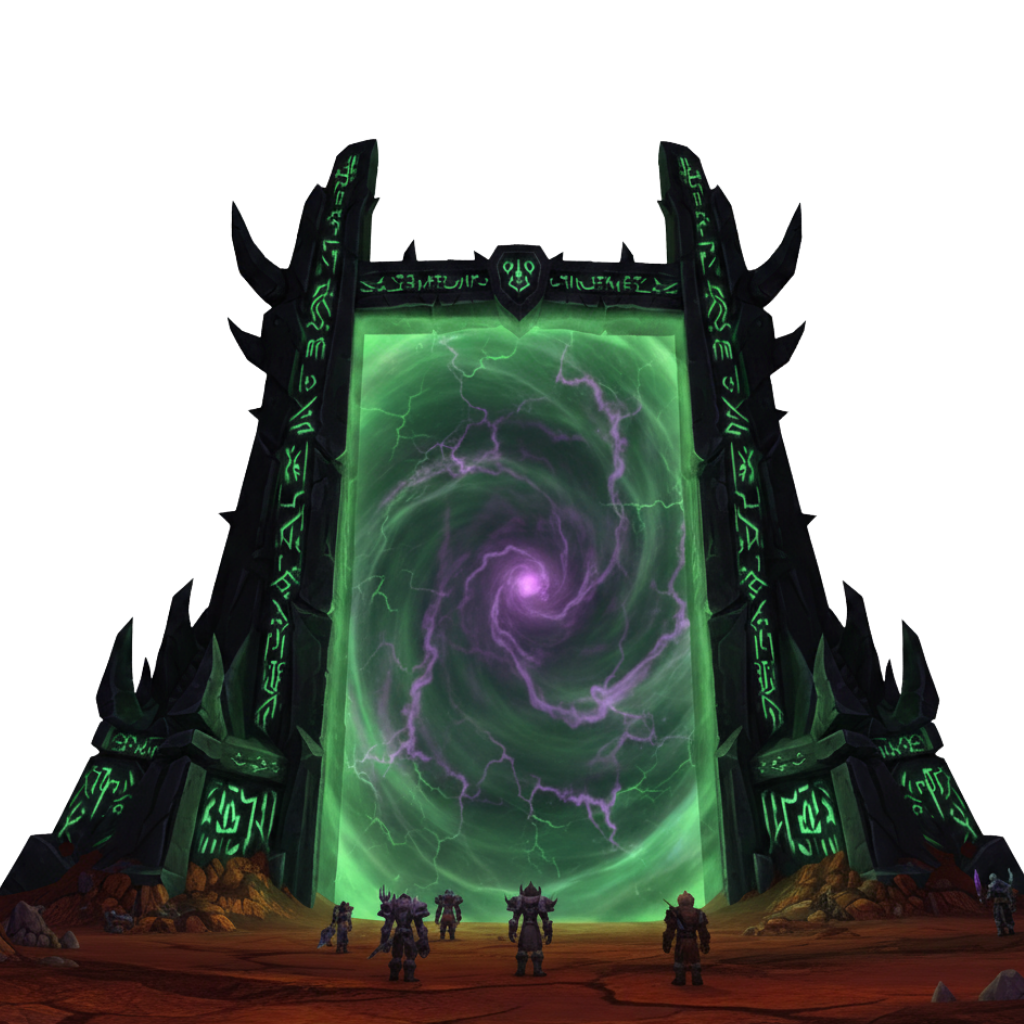
Full Launch: February 5, 2026 at 3:00 PM PST – The Dark Portal opened globally at this synchronized time, allowing players worldwide to enter Outland simultaneously. This single launch time eliminated the regional staggering that created competitive disadvantages in previous versions, ensuring all players started the race to 70 on equal footing. The level cap increased to 70, Outland zones became accessible, and normal dungeons opened for progression.
Phase 1 Raids: February 19, 2026 – Just two weeks after launch, the first raid tier unlocked. This timing gives dedicated players sufficient time to reach 70, complete attunement quest chains, and build reputation for heroic dungeon access without rushing the leveling experience. The initial raid tier includes three encounters: Karazhan (10-player), Gruul’s Lair (25-player), and Magtheridon’s Lair (25-player).
Arena Season 1: February 17, 2026 – PvP enthusiasts gained access to rated arenas two days before raids opened, creating separate progression paths for competitive players who prefer structured PvP over raiding. This early arena access lets PvP-focused players farm honor and arena points while raid guilds complete their attunements.
Future Phase Schedule
While Blizzard hasn’t announced specific dates for Phases 2-5, the community expects a 3-4 month cadence between major content releases based on the 2021 TBC Classic timeline. This pacing prevents content exhaustion while maintaining engagement throughout the expansion’s full lifecycle.
Phase 2 will introduce Serpentshrine Cavern and Tempest Keep (The Eye), two 25-player raids featuring lengthy attunement chains. This phase typically reduces heroic dungeon reputation requirements from Revered to Honored, significantly improving alt accessibility and helping new players catch up to established guilds.
Phase 3 unlocks Black Temple and Mount Hyjal, the expansion’s mid-tier content featuring some of TBC’s most iconic boss encounters. Zul’Aman, a 10-player raid with unique timed mechanics, also releases during this phase as a catch-up option with powerful rewards for speed runs.
Phase 4 introduces Magisters’ Terrace, a 5-player dungeon with both normal and heroic modes, alongside additional daily quest hubs and reputation grinds that prepare players for the final raid tier.
Phase 5 concludes the expansion with Sunwell Plateau, TBC’s hardest raid content, plus the Isle of Quel’Danas daily quest hub. This final phase represents the culmination of character power and guild progression throughout the entire expansion.
🎮 What is TBC Classic Anniversary?
TBC Classic Anniversary isn’t a new expansion—it’s the evolution of WoW’s 20th Anniversary realms that launched in November 2024. When these realms completed their Vanilla content cycle, they transitioned into Burning Crusade rather than resetting or creating separate TBC servers. This approach preserves server communities, guild structures, and player relationships while allowing everyone to progress together into Outland.
The Anniversary edition distinguishes itself from both original 2007 TBC and 2021 TBC Classic through meaningful quality-of-life improvements that modern players expect. These changes don’t fundamentally alter the expansion’s identity or difficulty—they simply remove frustrations that added nothing to gameplay while making certain systems more accessible and convenient.
Core TBC Features
The Burning Crusade introduced revolutionary changes to World of Warcraft that defined the game’s direction for years. Understanding these core features helps you appreciate how TBC transformed WoW from its Vanilla foundation into a more refined experience.
⚔️ Level Cap Increase to 70 – Ten additional levels extended the leveling journey into Outland’s seven new zones. This expansion introduced flying mounts at level 70, fundamentally changing how players interact with the game world by adding vertical exploration and eliminating ground-based travel limitations in Outland zones.
⚔️ New Races – Blood Elves joined the Horde and Draenei joined the Alliance, each bringing unique racial abilities and starting zones. More importantly, these additions gave Horde access to Paladins and Alliance access to Shamans, finally breaking the faction-exclusive class restrictions that defined Vanilla WoW.
⚔️ Jewelcrafting Profession – A completely new crafting profession that lets players create socketed gems, rings, necklaces, and trinkets. Gems socket into gear with appropriate slots, providing permanent stat bonuses similar to enchants. Jewelcrafting uses the Prospecting ability to convert five ore into random gems, creating a material sink for Mining while generating valuable gems.
⚔️ Heroic Dungeons – Every Outland dungeon features a level 70 heroic difficulty mode with significantly harder mechanics and better loot. Accessing heroics requires reaching Revered reputation with specific factions, creating meaningful progression even for players not immediately joining raid groups.
⚔️ Arena PvP System – Structured 2v2, 3v3, and 5v5 competitive PvP with seasonal rewards and rating-based progression. Arenas replaced the old Honor system’s time-intensive grind with skill-based competition, though battlegrounds and world PvP remain viable for casual players.
⚔️ Flying Mounts – Normal flying at level 70 costs 1,000 gold total (900g training + 100g mount) and provides 60% speed. Epic flying costs 5,200 gold total (5,000g training + 200g mount) and reaches 280% speed. Druids learn Flight Form instead of buying mounts, maintaining the ability to gather herbs and mine ore while flying.
⚔️ Socket System – Gear pieces can have red, yellow, blue, or meta sockets that accept matching gems. Matching all socket colors activates the item’s socket bonus, though sometimes off-color gems provide better overall stats than the bonus itself. This system adds significant customization to gearing strategies.
⚔️ Daily Quest System – TBC introduced repeatable daily quests with 24-hour lockouts, providing consistent gold income and reputation gains. This system becomes more prominent in later phases with additional daily quest hubs in Quel’Danas and Netherstorm.
✨ Anniversary Edition Exclusive Features
The Anniversary edition implements several improvements that weren’t present in either original 2007 TBC or 2021 TBC Classic. These features significantly enhance quality of life without compromising the authentic TBC experience.
Dual Spec Available at Launch – Pay 1,000 gold to unlock a second talent specialization that you can swap between outside combat. This feature originally released in Wrath of the Lich King but arrives with TBC Anniversary from day one. Dual spec dramatically improves hybrid class flexibility, letting Druids maintain both tank and healing specs, Paladins switch between tanking and DPS, or any class maintain separate PvE and PvP builds without constant respec costs.
Guild Banks from Day One – Unlike 2021 TBC Classic where guild banks waited until Phase 2, Anniversary edition includes them immediately. Guild banks provide eight purchasable tabs with 98 item slots each (no bags required), customizable permission systems, and shared gold storage. The first tab costs 100 gold, with prices increasing for each successive tab. This feature streamlines guild resource management and eliminates risky trust-based systems using alt characters.
Enhanced Chronoboon Displacer – Store up to 10 world buffs instead of the limited amount from previous versions. While world buffs matter less in TBC than Vanilla, certain buffs like Sayge’s Dark Fortune of Damage or Warchief’s Blessing still provide value for early progression raids.
Faction Balance Systems – PvP servers implement automatic faction balance that suspends character creation for the dominant faction when imbalance exceeds certain thresholds. This prevents the extreme faction ratios that ruined many 2021 TBC Classic servers, where 80/20 or 90/10 splits made minority faction gameplay miserable. The system tracks real-time population through login queues and adjusts restrictions dynamically.
GDKP Raids Prohibited – Gold DKP (where players bid gold for loot) remains banned across all Anniversary realms. This policy prevents gold-buying from directly translating into raid gear and shifts the economy toward traditional farming methods. While controversial among some players, the ban maintains fairer progression paths and reduces real-money trading incentives.
Modern UI Improvements – Edit Mode lets you rearrange interface elements, resize frames, and customize your screen layout without addons. This feature, backported from retail WoW, gives players greater control over their visual experience while maintaining the Classic aesthetic.
Increased Bag Stacking – Materials stack higher than in original TBC, reducing bag management tedium during farming sessions. This simple change significantly improves quality of life without impacting gameplay balance.
Bloodlust/Heroism Raid-Wide – Unlike original TBC where these powerful buffs only affected your 5-player party within a raid, Anniversary edition applies them raid-wide. This change eliminates the awkward party composition requirements from 2021 where Shamans needed careful distribution across groups.
No 16 Debuff Limit – Bosses can have unlimited debuffs, removing the slot competition that limited certain specs’ viability in original TBC. Shadow Priests, Warlocks, and other DoT-based classes benefit significantly from this technical improvement.
👥 Classes and Races
TBC Classic features nine playable classes with significantly improved balance compared to Vanilla WoW. Every spec became viable for something, whether leveling, dungeons, raids, or PvP, though some remain stronger than others in specific roles.
New Race-Class Combinations
Blood Elves (Horde) – Introduced as Horde’s answer to Alliance’s visual appeal, Blood Elves brought significant population shifts to Horde side during original TBC. They can play Paladin (Horde’s first), Hunter, Rogue, Mage, Warlock, and Priest. Their racial ability Arcane Torrent silences nearby enemies and restores mana, making them strong for PvP casters.
Blood Elves start in Eversong Woods near Silvermoon City, featuring a beautiful high-fantasy aesthetic that contrasts sharply with traditional Horde zones. The starting experience guides players from level 1-20 before directing them to traditional Horde leveling paths.
Draenei (Alliance) – These exiled survivors of Argus joined the Alliance, bringing Shamans to the faction for the first time. Draenei can play Shaman (Alliance’s first), Warrior, Paladin, Hunter, Priest, and Mage. Their racial ability Gift of the Naaru provides instant healing over time, useful for all roles but especially strong for tanks and solo players.
Draenei begin on Azuremyst Isle, exploring crashed spaceship remnants and fighting demonic corruption. Their starting zone connects to the mainland through Darkshore, integrating them into Alliance leveling progression by level 20.
Class Changes from Vanilla
Every class received substantial improvements in TBC that addressed Vanilla pain points and created more viable specializations:
Druids gained significant feral scaling improvements, making both Cat and Bear forms competitive raid options. Restoration druids became premier raid healers through Lifebloom and strong tank healing capabilities. Balance druids improved but remain primarily support DPS rather than pure damage dealers.
Hunters dominated leveling and brought essential utility through Misdirection for threat control. Beast Mastery remains the strongest raid spec, with Survival gaining viability later in the expansion. Hunters need to carry ammo and keep pets happy with appropriate food, but their raw power justifies these minor inconveniences.
Mages solidified their position as premier ranged DPS with Frost and Fire both viable depending on content. Arcane Intellect buffs and food/water creation ensure raid spots regardless of DPS performance. Mages also excel at AoE farming for gold generation.
Paladins transformed from Vanilla’s struggles into powerhouse tanks, healers, and viable DPS. Protection Paladins became excellent dungeon tanks with strong AoE threat, Holy Paladins dominated tank healing, and Retribution finally contributed meaningful raid DPS while providing powerful buffs through improved blessings.
Priests remain essential healers with Holy and Discipline both viable for different healing styles. Shadow Priests became core raid members through Vampiric Embrace and Vampiric Touch, providing mana regeneration to caster groups while dealing competitive damage.
Rogues delivered exceptional single-target DPS with Combat being strongest for PvE and Subtlety dominating PvP. While less versatile than hybrid classes, rogues bring irreplaceable utility through interrupts, crowd control, and raw damage output on priority targets.
Shamans became raid staples through Bloodlust/Heroism and powerful totem buffs. Restoration remains the primary raid spec, Enhancement gained significant improvements through dual wielding, and Elemental provides strong burst damage with the Anniversary raid-wide Bloodlust making their utility even better.
Warlocks emerged as top-tier DPS with Affliction, Destruction, and Demonology all viable depending on encounter and raid composition. Ritual of Souls provides healthstones for the raid, while summoning capabilities ensure their utility extends beyond pure damage.
Warriors shifted from Vanilla’s DPS dominance to primarily tanking roles, though Fury warriors remain competitive damage dealers with proper gear. Protection warriors excel at single-target threat and boss tanking, making them essential for raid progression despite competition from Paladin tanks for dungeon content.
🏰 Dungeons and Raids
TBC introduced 15 new dungeons (16 with Magisters’ Terrace in Phase 4) and 9 raid instances, dramatically expanding group content variety. Every Outland dungeon features both normal and heroic difficulties, creating extended progression paths from level 60 through BiS pre-raid gearing.
Outland Dungeons
Dungeons organize by zone and level range, with each wing offering specific loot tables and reputation gains. Understanding which dungeons to prioritize helps speed your gearing process at 70.
Hellfire Citadel (Hellfire Peninsula)
✦ Hellfire Ramparts (60-62) – The first dungeon most players enter, featuring straightforward mechanics and gear that replaces Vanilla raid items immediately.
✦ The Blood Furnace (61-63) – More challenging than Ramparts with better loot, this dungeon introduces players to crowd control requirements that define TBC dungeons.
✦ The Shattered Halls (70) – Heroic mode here provides some of pre-raid BiS items and reputation with Honor Hold/Thrallmar, though the difficulty demands proper group composition and CC usage.
Coilfang Reservoir (Zangarmarsh)
✦ The Slave Pens (62-64) – Excellent reputation gains for Cenarion Expedition and relatively fast clear times make this a popular dungeon choice.
✦ The Underbog (63-65) – Features unique mushroom mechanics and continues Cenarion Expedition reputation progression.
✦ The Steamvault (70) – Level 70 dungeon with strong loot, though the length and difficulty mean most players save it for heroic mode at appropriate gear levels.
Auchindoun (Terokkar Forest)
✦ Mana-Tombs (64-66) – Provides Consortium reputation, useful for jewelcrafters seeking gem designs from this faction.
✦ Auchenai Crypts (65-67) – Lower City reputation dungeon with undead enemies, making it straightforward for groups with proper area damage abilities.
✦ Sethekk Halls (67-69) – Features the epic Reins of the Raven Lord mount drop on heroic mode, making it a popular farming target.
✦ Shadow Labyrinth (70) – The longest and hardest Auchindoun wing, saved for level 70 with appropriate gear due to punishing trash pulls and complex boss mechanics.
Caverns of Time (Tanaris)
✦ Old Hillsbrad Foothills (66-68) – Time-travel dungeon showing pre-destruction Hillsbrad, featuring Thrall’s escape quest chain tied to raid attunements.
✦ The Black Morass (68-70) – Wave defense mechanics make this dungeon unique but frustrating for unprepared groups. Part of Karazhan attunement chain.
Tempest Keep (Netherstorm)
✦ The Mechanar (69-70) – Provides Sha’tar reputation with mechanical enemies throughout, offering strong pre-raid gear.
✦ The Botanica (70) – Plant-themed dungeon with nature damage throughout, requiring appropriate resistance gear or strong healing for comfortable clears.
✦ The Arcatraz (70) – Hardest pre-heroic dungeon with brutal trash packs and complex boss mechanics. Saves this until well-geared or expect multiple wipes learning encounters.
Heroic Dungeon System
Heroic mode transforms familiar dungeons into challenging content that remains relevant throughout the expansion. Accessing heroics requires three components: reaching level 70, achieving Revered reputation with the dungeon’s associated faction, and purchasing the appropriate Heroic Key from that faction’s quartermaster.
Heroic bosses always drop at least one epic item plus significantly better blues than normal mode. Badge of Justice drops from all heroic bosses, accumulating toward powerful gear purchases from badge vendors in Shattrath City. This badge system creates a parallel gearing path for players without immediate raid access.
The difficulty jump from normal to heroic is substantial—trash packs hit harder, bosses gain additional abilities, and crowd control becomes mandatory rather than optional. Groups that faceroll normal mode often struggle in heroics without proper preparation, gear, and communication.
Raid Content
Phase 1 Raids (February 19, 2026)
🏛️ Karazhan – The 10-player raid in Deadwind Pass serves as most guilds’ entry point to TBC raiding. Featuring 12 bosses across multiple wings, Karazhan provides varied encounters from chess events to dragon fights. The lengthy attunement chain begins at level 68 in Shattrath and requires completing several dungeons including Shadow Labyrinth and Black Morass.
Karazhan drops tier 4 glove and helm tokens, making it essential for completing your first tier set. The raid resets weekly, and most guilds spend 3-4 hours clearing all bosses once groups learn the encounters. Karazhan remains relevant throughout TBC as certain trinkets and weapons retain BiS status even into later phases.
🏛️ Gruul’s Lair – This short 25-player raid features just two bosses but provides essential gear upgrades and tier 4 chest and leg tokens. The High King Maulgar encounter teaches raid groups proper target switching and offtank coordination, while Gruul himself tests positioning and movement mechanics through his famous Ground Slam and Shatter combination.
🏛️ Magtheridon’s Lair – Another single-boss 25-player raid located beneath Hellfire Citadel. Magtheridon requires precise cube-clicking coordination during Shadow Cage phases while managing add waves. This fight punishes uncoordinated groups but becomes trivial once everyone understands their role.
Future Raid Tiers
Phase 2 introduces Serpentshrine Cavern (SSC) and Tempest Keep: The Eye (TK), both 25-player raids with lengthy attunement chains. These raids drop tier 5 tokens and feature some of TBC’s most memorable boss fights including Vashj and Kael’thas.
Phase 3 opens Black Temple and Mount Hyjal, the expansion’s mid-tier content. Black Temple provides tier 6 tokens and culminates in the Illidan Stormrage encounter, while Hyjal features wave-defense mechanics across five bosses. Zul’Aman also releases, offering a 10-player raid with timed bear mount runs.
Phase 5 concludes with Sunwell Plateau, featuring brutal difficulty that tested even the best guilds during original TBC. M’uru and Kil’jaeden remain some of the hardest pre-nerf bosses in WoW history, requiring near-perfect execution and strong raid composition.
⚒️ Professions Overview
TBC maintains the two primary profession limit per character while adding Jewelcrafting as a completely new crafting option. Every profession provides value either through personal power (enchants, gems, crafted gear) or gold generation (gathering professions, consumable creation).
Jewelcrafting – The New Profession
Jewelcrafting emerged as TBC’s signature profession, creating socketed gems that fit into gear with appropriate sockets. The profession uses Prospecting to convert 5 ore into random gems and powders, creating a natural synergy with Mining. Jewelcrafters craft rings, necklaces, trinkets, and most importantly, cut gems that provide permanent stat bonuses to socketed gear.
Learning Jewelcrafting requires visiting specific trainers in Silvermoon City (Horde), The Exodar (Alliance), or Outland faction hubs. The profession gains access to patterns through reputation grinds, dungeon drops, and world drops, making it one of the most rep-dependent professions in the game. High-level gem cuts require Honored or Revered reputation with various Outland factions.
Jewelcrafting provides consistent gold income throughout TBC as every player needs gems for their socketed gear. The profession becomes more profitable in later phases when epic gems release, though competition from other jewelcrafters can saturate markets on high-population servers. Jewelcrafters also craft unique trinkets like Crystalforged Trinket that remain personal-use only.
Other Profession Highlights
Alchemy – Transmutation specialists profit enormously from Transmute: Primal Might, converting cheaper primals into expensive crafting materials on daily cooldown. Potion specialists churn out raid consumables, while elixir specialists focus on pre-raid buff potions. The specialization choice becomes permanent unless you pay to respec.
Blacksmithing – Weapon and armor smiths create strong leveling gear and some endgame pieces. Blacksmiths gain access to unique equipment like Socket Bracer and Socket Gloves, adding extra gem slots to their own gear for bonus stats.
Enchanting – Essential for endgame optimization, enchanting disenchants unwanted gear into materials for permanent stat enchants on equipment. Enchanters can also enchant their own rings with unique bonuses unavailable to other professions.
Engineering – Provides numerous quality-of-life items like Zapthrottle Mote Extractor for gathering gas clouds, plus combat items like bombs and scopes. Goblin and Gnomish specializations offer different unique crafts, with Goblin generally preferred for PvE and Gnomish for PvP.
Leatherworking – Tribal, Elemental, and Dragonscale specializations each provide different endgame patterns. Leatherworkers create their own leg and chest armor kits that outperform standard versions available to everyone.
Tailoring – Clothies benefit from powerful crafted gear like Frozen Shadoweave sets that remain BiS into early raiding. Tailors also craft their own unique enchants for cloaks unavailable to other professions.
Gathering Professions – Mining, Herbalism, and Skinning provide steady gold income without crafting complexity. Mining pairs naturally with Jewelcrafting or Blacksmithing, Herbalism supports Alchemy, and Skinning works for any class that kills many beasts. These professions don’t provide combat benefits but generate consistent gold for mount purchases and raid consumables.
🎯 Getting Started in TBC Classic Anniversary
Beginning your TBC journey requires understanding a few key decisions and preparation steps that significantly impact your early experience.
Character Boost Option
The Level 58 Character Boost (Anniversary) launched January 13, 2026 as both standalone purchase and part of the Outland Epic Pack. This boost instantly elevates one character to level 58 with appropriate gear and bags, letting you skip Vanilla content and jump directly into Outland.
The boost works on all races including Blood Elves and Draenei, making it viable for experiencing the new race-class combinations without leveling 1-58 through their starting zones. However, new players should consider leveling naturally to learn class mechanics and rotations rather than jumping into level 58 content without preparation.
Server Selection
Anniversary realms evolved from the November 2024 launch, meaning established server communities and economies already exist. Research server populations and faction balance before committing, as transferring characters requires paid services after the initial free transfer window closed January 12, 2026.
PvP servers feature the faction balance system that prevents extreme ratios, but contested Outland zones still involve regular world PvP. PvE servers eliminate non-consensual PvP entirely, letting you focus purely on leveling and PvE content without ganking concerns. Both server types support identical PvE progression—the only difference is world PvP availability.
Essential Early Goals
✅ Choose your main class carefully – Rerolling at 70 wastes significant time investment. Research class playstyles through guides and videos before committing.
✅ Plan your profession path – Gathering professions generate gold for mounts and consumables. Crafting professions require gold investment but provide personal power. Decide based on your goals and available funding.
✅ Join an active guild early – Social connections dramatically improve the experience. Guild banks, group content access, and community knowledge help new players progress faster than solo play.
✅ Learn your attunement requirements – Karazhan attunement begins at 68 but requires multiple dungeon runs. Understanding the chain early prevents scrambling when you hit 70.
✅ Install essential addons – Questie shows quest objectives on your map, Deadly Boss Mods warns about dungeon and raid mechanics, and a threat meter helps you avoid pulling aggro. These addons significantly improve your gameplay quality.
❓ Frequently Asked Questions
What happened to my Classic Anniversary character?
Can I still play Vanilla Classic?
How long does it take to reach level 70?
What’s the best class for beginners?
Do I need the level 58 boost?
Are GDKP raids really banned?
Which professions make the most gold?
How important are flying mounts?
🎊 Final Thoughts
TBC Classic Anniversary 2026 represents the definitive Burning Crusade experience, combining authentic expansion content with modern quality-of-life improvements that eliminate frustrations without compromising the core gameplay. Whether you’re a returning veteran nostalgic for 2007 or a new player experiencing Outland for the first time, this edition provides the smoothest and most refined version of TBC ever released.
The Anniversary edition’s success lies in its careful balance—preserving what made TBC special while implementing features like dual spec and guild banks that modern players rightfully expect. The phased content structure ensures healthy server populations throughout the expansion’s lifecycle, while faction balance systems prevent the extreme imbalances that plagued previous versions.
Your journey through the Dark Portal awaits. Choose your class wisely, find an active guild, and prepare for one of World of Warcraft’s most beloved expansions in its best form yet. The shattered realm of Outland offers months of content spanning leveling, heroic dungeons, raid progression, arena competition, and profession mastery.
Welcome to TBC Classic Anniversary—may your adventures in Outland be memorable, your raid groups successful, and your gear upgrades plentiful!