 World of Warcraft Guides, Lore, Addons & News – NoobToBoss From Azeroth's Newbie to Champion – World of Warcraft Guides
Druids stand as one of the most versatile and rewarding classes in WoW Classic, offering players the unique ability to fulfill multiple roles within a single character. Whether you’re drawn to spell-casting damage, shapeshifting into powerful beasts, or healing your allies, the Druid class provides unmatched flexibility that few other classes can match.
This comprehensive guide covers everything you need to know about playing a Druid in WoW Classic, from choosing your specialization to mastering end-game content. We’ll explore each of the three talent trees, discuss optimal builds for different scenarios, and provide practical advice to help you excel in both PvE and PvP environments.
Understanding the Druid Class
Druids are hybrid classes that excel in adaptability. Unlike pure DPS or healing classes, Druids can switch between four distinct forms, each serving different purposes in combat and exploration. This flexibility comes with complexity, as mastering a Druid requires understanding multiple playstyles and knowing when to use each form effectively.
The Druid class is available only to Night Elves for the Alliance and Tauren for the Horde. This faction restriction means your choice of race is predetermined, but both races offer viable racial abilities that complement Druid gameplay.
Core Druid Mechanics
Druids utilize mana as their primary resource, but shapeshifting forms introduce additional resource systems. Bear Form uses rage, Cat Form uses energy, and caster forms rely on mana. Understanding how to manage these different resources is crucial to playing a Druid effectively.
Shapeshifting removes most buffs and crowd control effects, providing a unique mechanic for escaping dangerous situations. However, you cannot cast most spells while shapeshifted, requiring frequent form-switching to maximize your effectiveness in challenging content.
Druid Specializations Overview
The Druid class offers three distinct talent trees, each focusing on different aspects of gameplay. Your choice of specialization dramatically changes how you approach content and what role you fill in groups.
Balance – The Spellcaster
Balance Druids focus on ranged spell damage, utilizing both Nature and Arcane schools of magic. While Balance faces some challenges in WoW Classic due to mana efficiency issues, skilled players can still contribute meaningful damage in raids while providing valuable utility through their unique abilities.
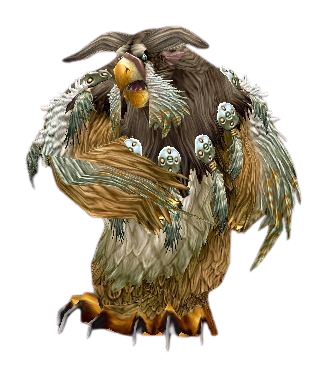
The Balance tree culminates in Moonkin Form, which increases your spell damage and provides a party-wide critical strike aura. However, Moonkin Form prevents casting healing spells, limiting your versatility during combat. Learn more about maximizing your damage output in our WoW Classic Balance Druid Guide.
Feral – The Shapeshifter
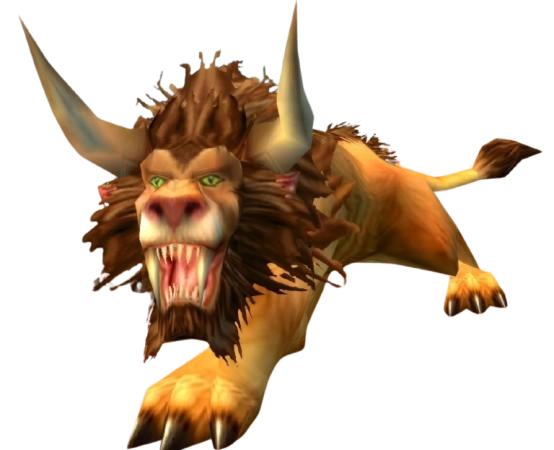
Feral Druids embrace the shapeshifting nature of the class, specializing in either Cat Form for melee DPS or Bear Form for tanking. This versatility makes Feral one of the most adaptable specializations in the game, capable of filling multiple roles depending on your talent allocation and gear choices.
Feral tanks excel in dungeons and can even tank in raids with proper preparation. Feral DPS provides competitive damage while offering unique utility like emergency off-tanking and crowd control. Explore both playstyles in our WoW Classic Feral Druid Guide.
Restoration – The Healer
Restoration Druids specialize in heal-over-time effects, providing sustained healing that differs significantly from other healing classes. While Restoration lacks the burst healing of Priests or Paladins, the specialization excels at maintaining groups through consistent healing and preventing damage through abilities like Barkskin and Nature’s Grasp.
Restoration Druids are highly sought after in raids for their unique healing style and ability to provide critical buffs like Gift of the Wild. Discover optimal healing strategies in our WoW Classic Restoration Druid Guide.
Choosing Your Druid Spec
Selecting the right specialization depends on your preferred playstyle and the content you plan to tackle. Each spec offers distinct advantages and faces different challenges in WoW Classic’s game design.
PvE Considerations
For raiding content, Restoration Druids are consistently in demand, with most raids bringing multiple Resto Druids for their healing capabilities. Feral Druids can find spots as off-tanks or DPS, though competition may be higher. Balance Druids face the most challenges in raids due to mana efficiency issues, but dedicated players can still find success.
In five-man dungeons, all three specs perform well. Feral tanks excel in dungeon environments, Balance can provide strong AoE damage, and Restoration offers reliable healing for challenging pulls.
PvP Considerations
Druids excel in PvP environments regardless of specialization. The ability to shapeshift out of roots and slows provides incredible mobility, while each spec offers unique strengths in different PvP scenarios.
Feral Druids dominate flag-carrying roles in Warsong Gulch and excel at skirmishing in open world PvP. Balance Druids can burst down opponents with spell damage, while Restoration Druids are notoriously difficult to kill and excel at supporting teammates in battlegrounds.
Leveling Your Druid
Leveling a Druid combines efficiency with enjoyment, as the class offers multiple viable leveling paths. Most players choose Feral for its balance of damage output and survivability, but each spec has merit during the leveling process.
Recommended Leveling Spec
Feral specialization provides the smoothest leveling experience for most players. By investing points into the Feral tree, you gain increased damage in Cat Form while maintaining the ability to tank dungeons in Bear Form. This flexibility allows you to participate in all leveling content without respeccing.
The key talents for leveling include Feral Swiftness for movement speed, Feral Charge for gap-closing, and Improved Shred for increased damage. Our detailed WoW Classic Druid Leveling Guide breaks down optimal talent progression and rotation strategies.
Leveling Tips and Strategies
Start each pull in caster form by applying Moonfire, then shift to Cat Form for melee damage. This approach maximizes your damage output while minimizing downtime. Keep Rejuvenation and Regrowth on your action bars for emergency healing between fights.
Utilize your various forms strategically during leveling. Travel Form significantly increases movement speed at level 30, while Aquatic Form makes underwater quests substantially easier. Bear Form provides survivability when facing multiple enemies or elite mobs.
Druid Forms and Abilities
Understanding when and how to use each Druid form separates good players from great ones. Each form provides unique abilities and serves specific purposes in different situations.
Combat Forms
Bear Form transforms you into a tank with increased armor and health. This form is essential for Feral tanks and provides survivability for all Druids when facing dangerous enemies. Bear Form abilities focus on threat generation and defensive cooldowns.
Cat Form provides high single-target melee damage through energy-based abilities. This form excels at sustained DPS and offers mobility through abilities like Dash. Mastering the Cat Form rotation requires understanding energy management and combo point generation.
Moonkin Form becomes available at level 40 for Balance Druids, increasing spell damage and critical strike chance while preventing casting of healing spells. The form’s appearance is distinctive and provides valuable raid utility through its critical strike aura.
Travel Forms
Travel Form increases your movement speed by 40 percent, making it invaluable for questing and world travel. This form becomes available at level 30 through a class quest and can be used indoors, unlike mounts.
Aquatic Form grants underwater breathing and increased swimming speed. Obtained at level 16 through a class quest, this form makes underwater content significantly more manageable and provides escape options when fighting near water.
For detailed information about obtaining and maximizing each form, visit our WoW Classic Druid Forms Guide.
Essential Druid Quests
Druids have several important class quests that unlock new forms and abilities. Completing these quests is essential to accessing the full potential of your character.
Form Quests
The Bear Form quest becomes available at level 10 and requires traveling to specific locations based on your race. Night Elves journey to Darnassus, while Tauren visit Thunder Bluff. This quest introduces you to shapeshifting mechanics and provides your first combat form.
Aquatic Form unlocks at level 16 through a quest chain that varies by faction. The quest involves collecting items from different zones and teaches you about underwater exploration. Cat Form follows at level 20 with another quest chain requiring travel to multiple locations.
Travel Form at level 30 and Dire Bear Form at level 40 each have their own quest lines. Our comprehensive WoW Classic Druid Quests Guide provides detailed walkthroughs for all class quests.
Talent Builds and Customization
Druid talent trees offer numerous viable builds for different content and playstyles. Understanding how to allocate your talent points optimally for your goals is crucial to maximizing your effectiveness.
Hybrid Builds
One advantage of the Druid class is the viability of hybrid talent builds. A common approach combines points from Feral and Restoration, creating a flexible character capable of tanking, DPS, or healing in dungeon content. These builds sacrifice peak performance in any single role but gain unmatched versatility.
Popular hybrid builds include Heart of the Wild builds that invest heavily in Feral while picking up key Restoration talents, and Moonglow builds that combine Balance and Restoration for mana efficiency while healing.
Respeccing Considerations
Respeccing costs increase with each respec, capping at 50 gold. This expense means choosing builds carefully and planning ahead for content transitions. Many Druids maintain their leveling spec through early end-game content before committing to a raid-focused build.
Experiment with different builds using our WoW Classic Druid Talent Calculator before spending gold on respecs. The calculator allows you to test various configurations and plan your talent progression.
Gearing Your Druid
Druid gear requirements vary dramatically between specializations. Understanding stat priorities and identifying best-in-slot items for your spec is essential to performing well in end-game content.
Pre-Raid Preparation
Before entering raids, focus on obtaining Pre-Raid Best in Slot gear from dungeons, quests, and crafting. This gear provides a foundation for raid performance and demonstrates your commitment to your role.
For comprehensive lists of Pre-Raid BiS items for all three specs, including where to obtain each piece and why it’s valuable, check our WoW Classic Druid Pre-Raid BiS Guide.
Stat Priorities by Spec
Each Druid specialization prioritizes different stats. Balance Druids focus on spell damage and critical strike, while managing hit rating to avoid spell resists. Feral Druids prioritize different stats depending on their role – tanks need defense and armor, while DPS focuses on attack power and critical strike.
Restoration Druids value healing power and mana regeneration, with spirit providing significant value through talents like Reflection. Understanding these priorities helps you make informed gearing decisions.
Druid Macros and Add-ons
Maximizing your Druid’s potential requires utilizing macros for efficient form-switching and ability usage. Well-designed macros reduce button bloat and improve reaction times during intense combat.
Essential Macro Categories
Form-switching macros allow you to cast spells and immediately shift to the appropriate form with a single button press. Healing macros enable you to heal teammates while in forms without manual shifting. Crowd control macros help you quickly apply roots or cyclone to multiple targets.
Our WoW Classic Druid Macros Guide provides detailed macro examples with explanations of how each works and when to use them.
Recommended Add-ons
Several add-ons significantly improve the Druid experience. Energy/Rage trackers help you monitor resources across different forms. Healing add-ons like HealComm show incoming heals from other players, preventing overhealing. Threat meters are essential for Feral tanks and DPS to manage aggro effectively.
Playing Your Druid in Raids
Raid performance depends heavily on understanding your role and executing it efficiently. Each Druid spec contributes differently to raid success, and knowing your responsibilities is crucial.
Restoration in Raids
Restoration Druids typically focus on healing assignments specific to their strength – maintaining heal-over-time effects on tanks and the raid. Your role often involves raid healing rather than tank healing, utilizing abilities like Rejuvenation and Regrowth to keep multiple targets healthy.
Position yourself to maximize Tranquility’s effectiveness during high raid damage phases. Maintain Gift of the Wild on all raid members and be prepared to battle resurrect fallen players during combat. Learn advanced healing techniques in our WoW Classic Druid Restoration PvE Guide.
Feral in Raids
Feral tanks serve as off-tanks in most raids, picking up adds and providing backup for the main tank. Understanding threat mechanics and proper usage of abilities like Challenging Roar and Demoralizing Roar separates good tanks from great ones.
Feral DPS must manage their position behind bosses, maintain debuffs like Faerie Fire when needed, and maximize their damage through proper energy management. Our WoW Classic Druid Feral Tank PvE Guide and WoW Classic Druid Feral DPS PvE Guide cover raid performance in detail.
Balance in Raids
Balance Druids face challenges in extended raid encounters due to mana constraints. Success requires careful mana management, utilizing abilities like Innervate on yourself or other casters, and knowing when to stop casting to preserve mana for crucial phases.
Your primary value often comes from buff support and flexible utility rather than pure damage output. Consult our WoW Classic Druid Balance PvE Guide for strategies to maximize your contribution.
PvP Strategies for Druids
Druids excel in PvP through mobility, survivability, and the ability to outlast opponents. Each specialization offers unique advantages in player-versus-player combat.
Battleground Tactics
In Warsong Gulch, Feral Druids are premier flag carriers due to their mobility and defensive capabilities. Use Travel Form for speed, shift to Bear Form when engaged, and have teammates support your escapes. Balance and Restoration Druids provide valuable support through damage and healing respectively.
Arathi Basin and Alterac Valley benefit from having Druids defend key points. Your ability to shapeshift out of roots and survive burst damage makes you difficult to remove from strategic locations.
Arena and World PvP
In smaller-scale PvP, Druids shine through their ability to control engagement timing. Use stealth in Cat Form to initiate fights on your terms, and shift out of combat to heal when needed. This hit-and-run style frustrates opponents and allows you to defeat classes that might otherwise counter you.
For spec-specific PvP strategies, explore our guides on Balance PvP, Feral PvP, and Restoration PvP.
Advanced Druid Techniques
Mastering advanced techniques elevates your Druid gameplay from competent to exceptional. These skills require practice but provide significant advantages in challenging content.
Power-shifting
Power-shifting involves rapidly leaving and re-entering forms to trigger on-shift effects or reset ability cooldowns. This technique works with items like Wolfshead Helm for Feral DPS, allowing energy regeneration through repeated shifting. While mana-intensive, power-shifting increases damage output significantly.
Practice power-shifting in low-pressure environments before attempting it in raids. The technique requires careful mana management and proper keybinds for efficient execution.
Form Dancing
Form dancing refers to frequently shifting between forms during combat to access different abilities. This advanced technique allows you to apply Nature’s Grasp, heal yourself, and return to combat form within seconds.
Successful form dancing requires intimate knowledge of global cooldowns and the ability to make split-second decisions about which form provides the best response to current threats.
Common Druid Mistakes to Avoid
New and experienced Druids alike can fall into common traps that reduce their effectiveness. Recognizing these mistakes helps you avoid them and improve your gameplay.
Over-shifting
While form flexibility is a strength, excessive shifting wastes mana and global cooldowns. Each shift costs mana and triggers a cooldown, so unnecessary shifting reduces your effective DPS or healing output. Plan your shifts strategically rather than shifting reflexively.
Ignoring Utility Abilities
Druids possess numerous utility abilities that often go unused. Abilities like Remove Curse, Abolish Poison, and Hibernate provide valuable tools for specific situations. Familiarize yourself with your entire toolkit and incorporate situational abilities into your gameplay.
Poor Form Selection
Using the wrong form for the situation severely impacts your effectiveness. Cat Form provides no defensive benefits, while Bear Form significantly reduces your damage output. Understanding when each form is appropriate comes with experience but remains crucial to skilled play.
Druid Consumables and Preparation
Proper preparation with consumables significantly improves your raid and dungeon performance. Understanding which consumables benefit your spec helps you prepare efficiently.
Essential Consumables
All Druids benefit from Flask of the Titans for difficult content, though the expense limits its use to progression encounters. Major Mana Potions are essential for all specs, allowing you to extend your effectiveness during long fights.
Spec-specific consumables include Elixir of the Mongoose for Feral DPS, Flask of Supreme Power for Balance, and Mageblood Potion for Restoration. Research optimal consumable combinations for your spec to maximize performance.
Preparation Checklist
Before raids, ensure you have a full stack of each relevant consumable, repair your gear fully, and equip the appropriate items for your spec. Bring materials for common buffs like Thorns and Mark of the Wild to reduce downtime between pulls.
Druid Role in Group Content
Understanding how your Druid fits into group dynamics helps you contribute effectively to dungeon and raid success. Each spec fills different needs within group composition.
As a Tank
Feral tanks provide excellent threat generation and reasonable survivability in dungeon content. Communicate with your healer about your capabilities and limitations. Use crowd control abilities like Hibernate strategically to reduce incoming damage on challenging pulls.
Maintain threat through consistent ability usage and positioning. Remember that you lack some of the defensive cooldowns available to Warriors, so play more conservatively during dangerous situations.
As DPS
Feral and Balance DPS must balance damage output with utility contributions. Apply Faerie Fire to reduce enemy armor, use crowd control when needed, and be prepared to off-heal or battle resurrect when situations require it.
Monitor your threat carefully and use abilities like Cower or simply stopping DPS to avoid pulling aggro from the tank. Dead DPS contributes nothing, so survival takes priority over maximum damage.
As a Healer
Restoration Druids bring unique strengths to healing roles. Your heal-over-time effects excel at sustained damage situations but struggle with burst healing. Communicate with other healers to coordinate healing assignments and avoid overlapping inefficiently.
Maintain Rejuvenation on tanks during heavy damage phases, use Regrowth for more immediate healing needs, and save Swiftmend for emergency situations. Your mana efficiency allows you to sustain healing through long encounters.
Frequently Asked Questions
What is the best Druid spec for beginners in WoW Classic?
Can Druids main tank in WoW Classic raids?
How important is Innervate for raiding as a Restoration Druid?
Should I level as Balance or Feral in WoW Classic?
What consumables should I bring as a Feral DPS to raids?
How do I obtain all of my Druid forms in WoW Classic?
Are Balance Druids viable in WoW Classic end-game content?